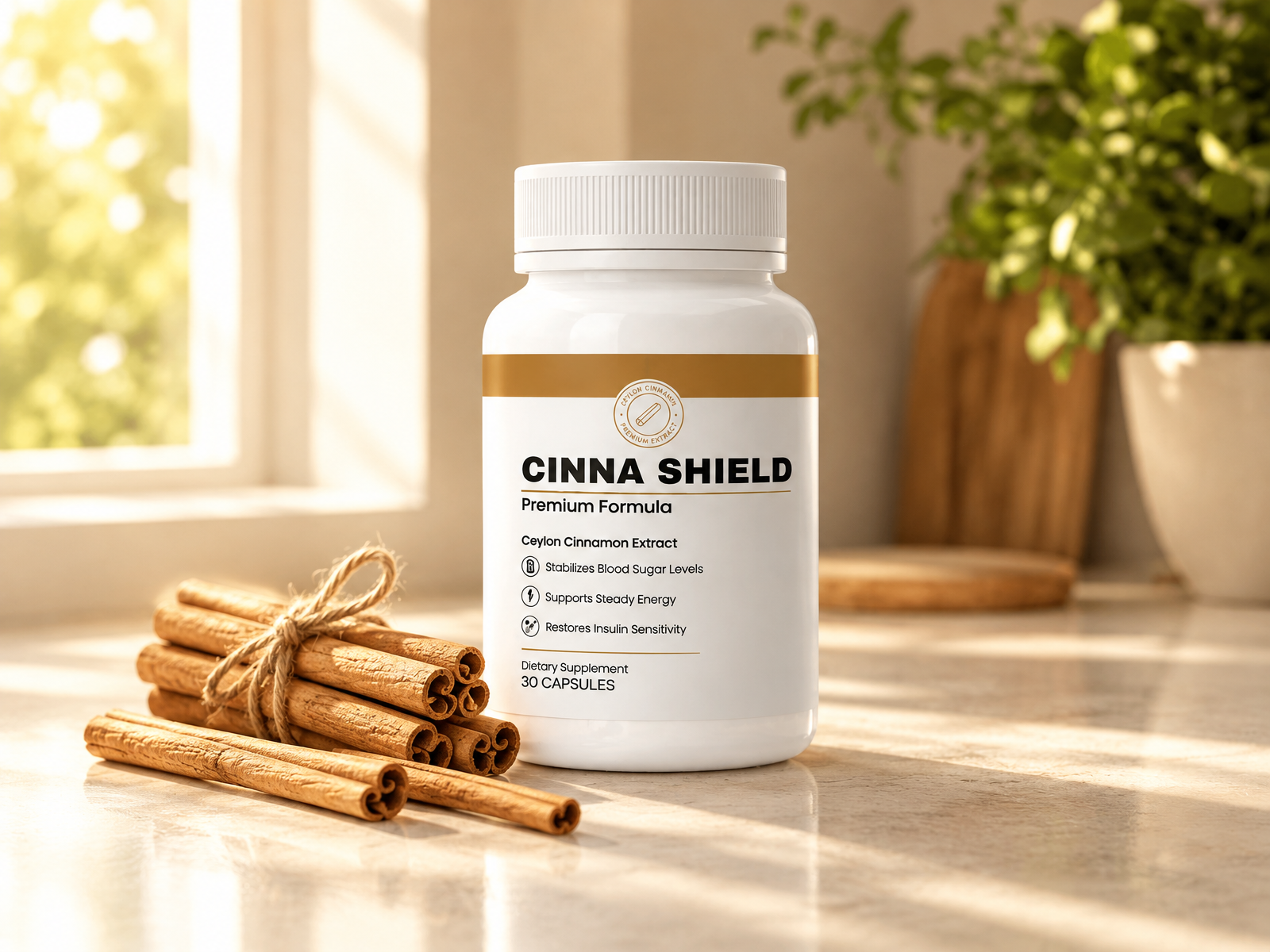
Cinna Shield: Ceylon cinnamon extract capsules, with the species and coumarin data to check
- DNA-verified Ceylon
- 30 capsules = 30 days
- 90-day refund
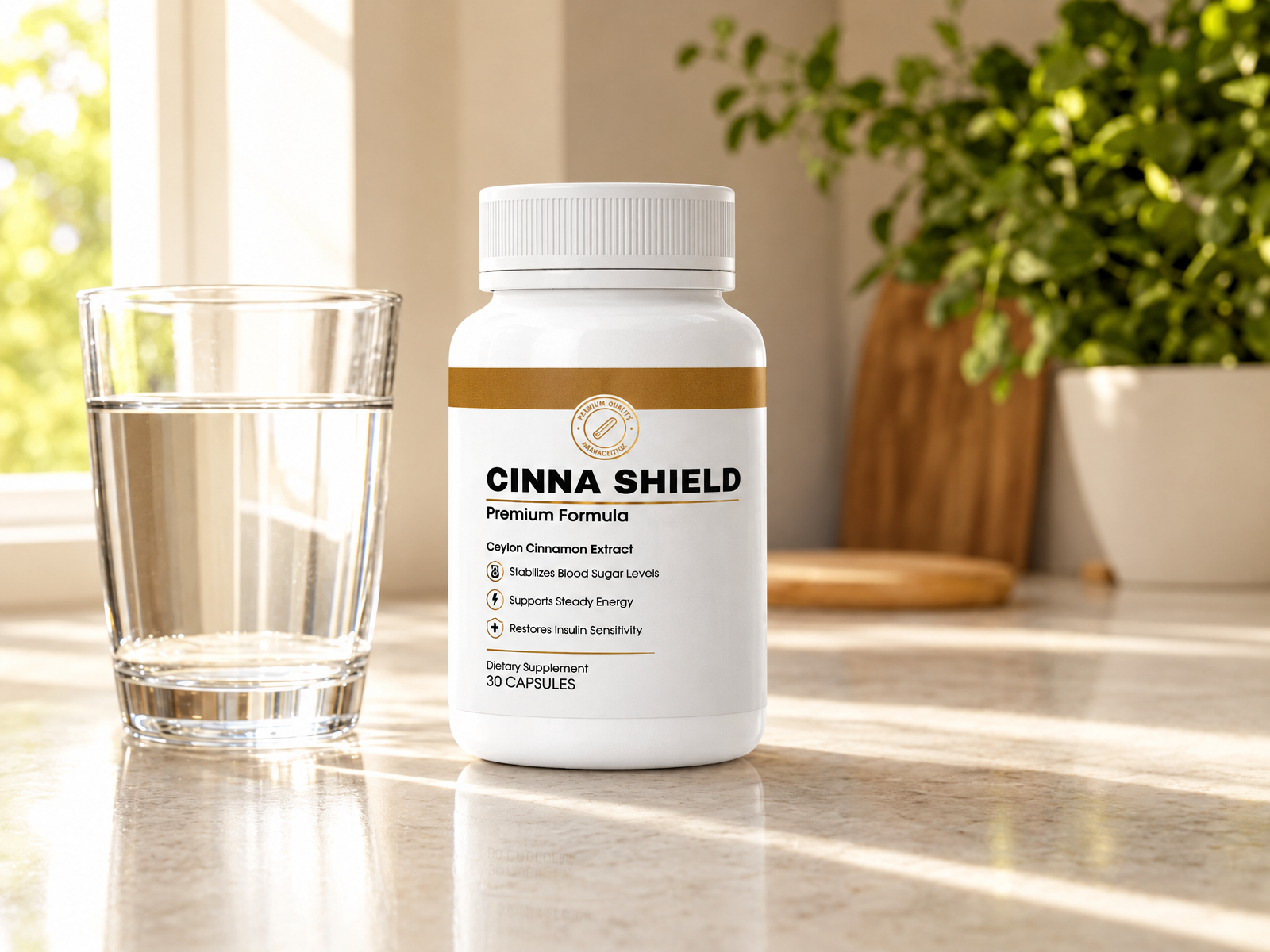
Quick answer
What it is
What is unknown
Check with a doctor if
Never stop or change a prescribed medicine to take a supplement. CinnaShield is one option for people who want cinnamon in a measured, species-verified form, not a treatment.
The product
What is CinnaShield?
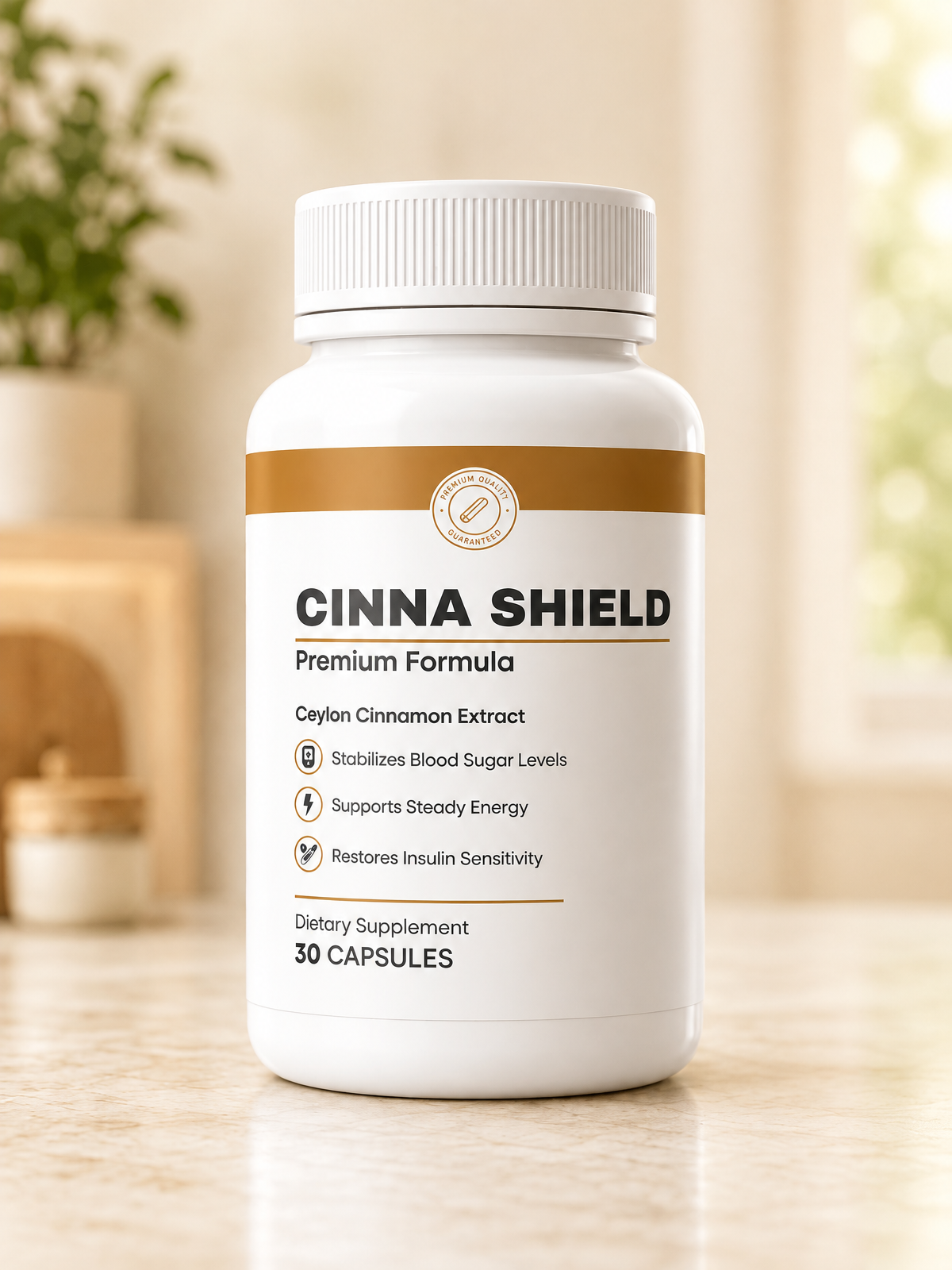
| Product type | Dietary supplement (capsule) |
|---|---|
| Cinnamon species | Cinnamomum verum (syn. C. zeylanicum), Ceylon or "true" cinnamon |
| Plant part & origin | Inner bark, Sri Lanka |
| Extract | Full-strength 12:1 Ceylon cinnamon bark extract (amount per capsule on the label) |
| Other ingredients | MCT oil (medium-chain triglycerides), capsule shell |
| Allergen note | MCT oil is usually made from coconut or palm kernel; check the label if you have a coconut allergy |
| Coumarin | Tested by an independent lab; certificate of analysis on request |
| Serving / servings | 1 capsule daily · 30 per bottle (30 days) |
| Made by | Manufactured for CinnaShield in a cGMP facility |
| Price | From $19.99 per bottle in a 6-bottle package (USD; taxes and duties vary) |
| What it is not | Not a medicine, not approved by the FDA (supplements aren't), not a replacement for prescribed care |
A note on "MHCP"
02 · Botany, history, flavor
Ceylon vs Cassia: two cinnamons, one name
| Ceylon | Cassia | |
|---|---|---|
| Species | C. verum (C. zeylanicum) | C. cassia (Chinese), C. burmannii (Indonesian), C. loureiroi (Saigon) |
| Main origin | Sri Lanka; smaller amounts from Madagascar, Seychelles, India | China, Indonesia, Vietnam |
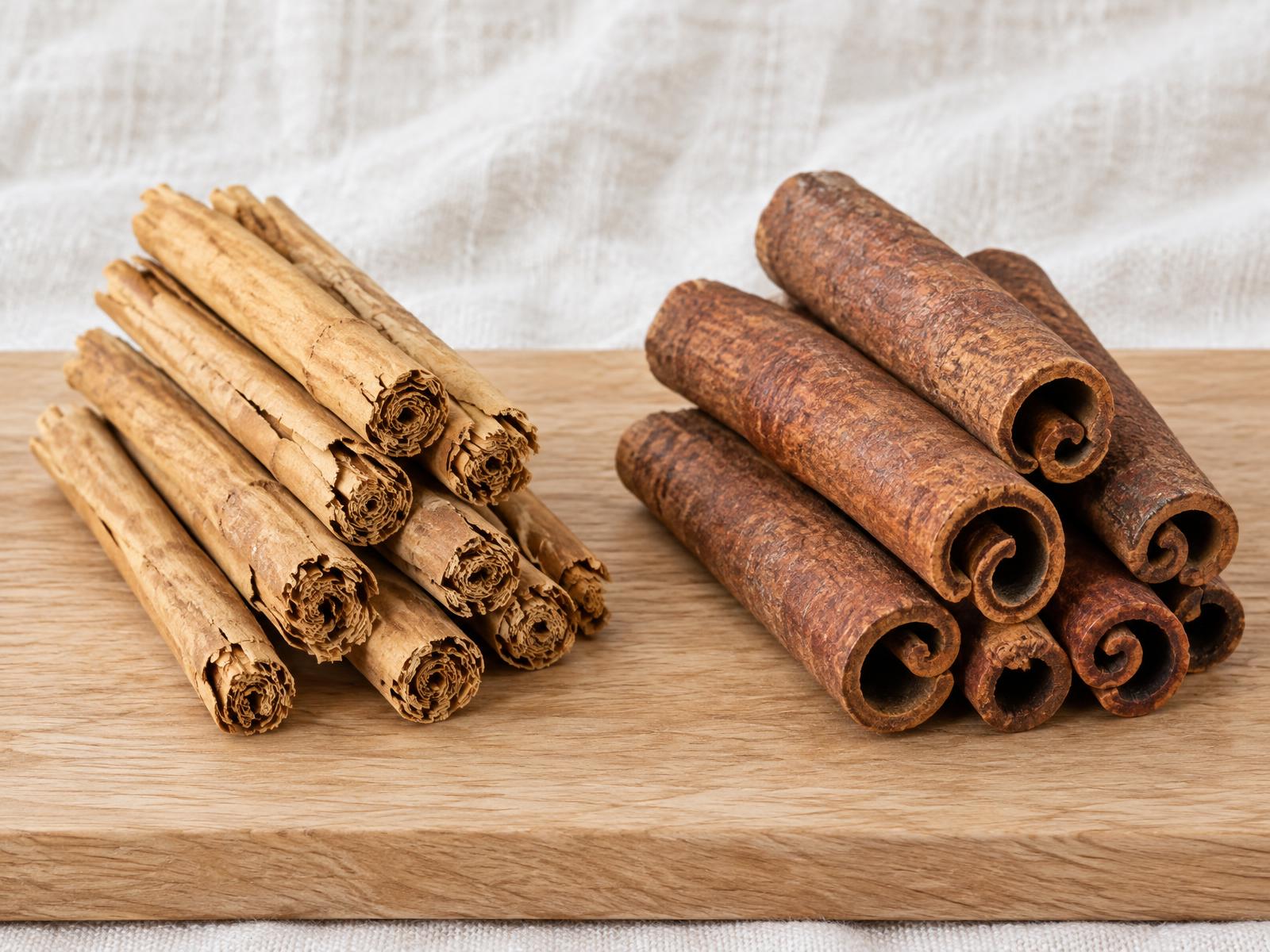
| Quill | Many thin, papery layers rolled like a cigar; light tan; crumbles | One thick, hard layer curled from both edges; dark red-brown |
| Flavor | Delicate, sweet, citrus and floral notes | Strong, hot, "red-hot candy" spice |
| Coumarin | Trace, ≈0.02 mg/g or less [8] | ≈0.3 to 7 mg/g, varies by species and batch [8][9] |
| Price | Several times more per ounce | Inexpensive; the supermarket default |
| Glucose research | Few human trials | Most trials; small, inconsistent effects [11][13] |
History & trade
Grades
Flavor
How to tell Ceylon from Cassia
- Look at the cross-section. Ceylon shows many thin layers, like a cigar. Cassia is one thick shell.
- Snap it. Ceylon crumbles in your fingers. Cassia is woody and hard to break.
- Check the color. Ceylon is pale tan; Cassia is darker red-brown.
- Read the label. Look for the Latin name Cinnamomum verum or zeylanicum, not just "cinnamon".
- Price check. Ceylon sold at Cassia prices deserves a second look.
- Ask for testing. DNA identification or HPLC coumarin results confirm species far better than eyes.
03 · Chemistry and liver safety
Coumarin: what it is, why it matters and how much is in CinnaShield
What coumarin is
Why it matters
How much is in CinnaShield
Coumarin calculator
Body weight × TDI 0.1 mg/kg = daily coumarin limit
| Body weight | Daily limit | Cassia to reach limit* | Ceylon to reach limit** |
|---|---|---|---|
| 20 kg (44 lb) child | 2 mg | ≈0.7 g (≈¼ tsp) | ≈100 g |
| 50 kg (110 lb) | 5 mg | ≈1.7 g (≈⅔ tsp) | ≈250 g |
| 70 kg (154 lb) | 7 mg | ≈2.3 g (≈1 tsp) | ≈350 g |
| 90 kg (198 lb) | 9 mg | ≈3.0 g (≈1¼ tsp) | ≈450 g |
| 110 kg (243 lb) | 11 mg | ≈3.7 g (≈1½ tsp) | ≈550 g |
What this means
A daily teaspoon of Cassia on oatmeal can put a lighter adult or a child over the TDI. Ordinary Ceylon use is far below it.
Liver warning signs
04 · Honest evidence review
What the research shows about cinnamon, and what it does not
Cinnamon and blood sugar is one of the most-studied spice questions. After two decades of trials, the honest summary is: small and inconsistent effects on fasting glucose, little or no effect on long-term markers, and almost no data on Ceylon specifically.
How to read this: fasting plasma glucose
(FPG) is measured in mg/dL; HbA1c reflects average glucose over
about three months. A change that is "statistically significant"
may still be too small to matter clinically.
What the trials found
Single
RCT · 2003Cassia
Khan et al., Diabetes Care [10]
60 adults in Pakistan took 1, 3 or 6 g/day for 40 days. Fasting glucose fell 18 to 29% from baseline.
Caveat: small, single site; the large effect has not been reproduced in most later trials.
Cochrane
review · 2012Mixed
Leach & Kumar [11]
10 RCTs, 577 participants, 4 to 16 weeks. No statistically significant difference vs placebo for HbA1c or fasting glucose.
Conclusion: insufficient evidence to support cinnamon for glycemic control.
Meta-analysis
· 2011Mostly
Cassia
Davis & Yokoyama, J Med Food [12]
8 trials. Pooled fasting glucose change of about −8 mg/dL with cinnamon.
Caveat: small studies, different doses and preparations.
Meta-analysis
· 2013Mostly
Cassia
Allen et al., Ann Fam Med [13]
10 RCTs, 543 people. FPG −24.6 mg/dL (95% CI −40.5 to −8.7). HbA1c −0.16%, not statistically significant.
Caveat: very high heterogeneity; doses 120 mg to 6 g; authors call for more research.
Meta-analysis
· 2019Mixed
Deyno et al., Diabetes Res Clin Pract [14]
Pooled trials in type 2 and prediabetes reported modest reductions in fasting glucose with smaller, less consistent changes in HbA1c.
Caveat: low-to-moderate certainty; trial quality varied.
RCT ·
2020Prediabetes
Romeo et al., J Endocr Soc [15]
51 adults, 500 mg three times daily for 12 weeks. Fasting glucose stayed stable on cinnamon while it rose on placebo; a difference of roughly 5 mg/dL.
Caveat: small and short; clinical meaning unclear.
What it reasonably shows
- Some pooled analyses find a small average drop in fasting glucose.
- Cinnamon at studied doses was generally well tolerated over weeks.
- Effects, where seen, are far smaller than prescribed treatment.
What it does not show
- A reliable effect on HbA1c or on complications.
- That Ceylon extract works like the Cassia used in most trials.
- That any cinnamon product can replace medicine. It cannot.
05 · Ingredients and label literacy
Extract ratios and the Supplement Facts panel, explained
Extract ratios explained: 12:1 does not mean 12× stronger
12 kg
Solvent extraction
1 kg
extract powder
Read a cinnamon label: an annotated example
Supplement Facts
Serving Size 1 Capsule 1
Servings Per Container 30
Amount Per Serving
Cinnamon bark extract 12:1 2
(Cinnamomum verum) 3500 mg 4
(Cinnamomum verum) 3500 mg 4
† Daily Value not established.
Other ingredients: MCT oil (coconut), hypromellose capsule. 5
Lot 0000 · Best by 00/0000 · Distributed by Example Co., City, ST 6
What's in each capsule
Serving Size 1 Capsule
Servings Per Container 30
Ceylon cinnamon bark extract 12:1
(Cinnamomum verum)Active
(Cinnamomum verum)Active
MCT oil (medium-chain triglycerides)Carrier
Capsule shellShell
Coumarin: tested by an independent lab; certificate of analysis on request from support@cinnashield.com.
Exact amounts per capsule are printed on the Supplement Facts panel of every bottle.
06 · Daily use
How to take CinnaShield and how long a bottle lasts
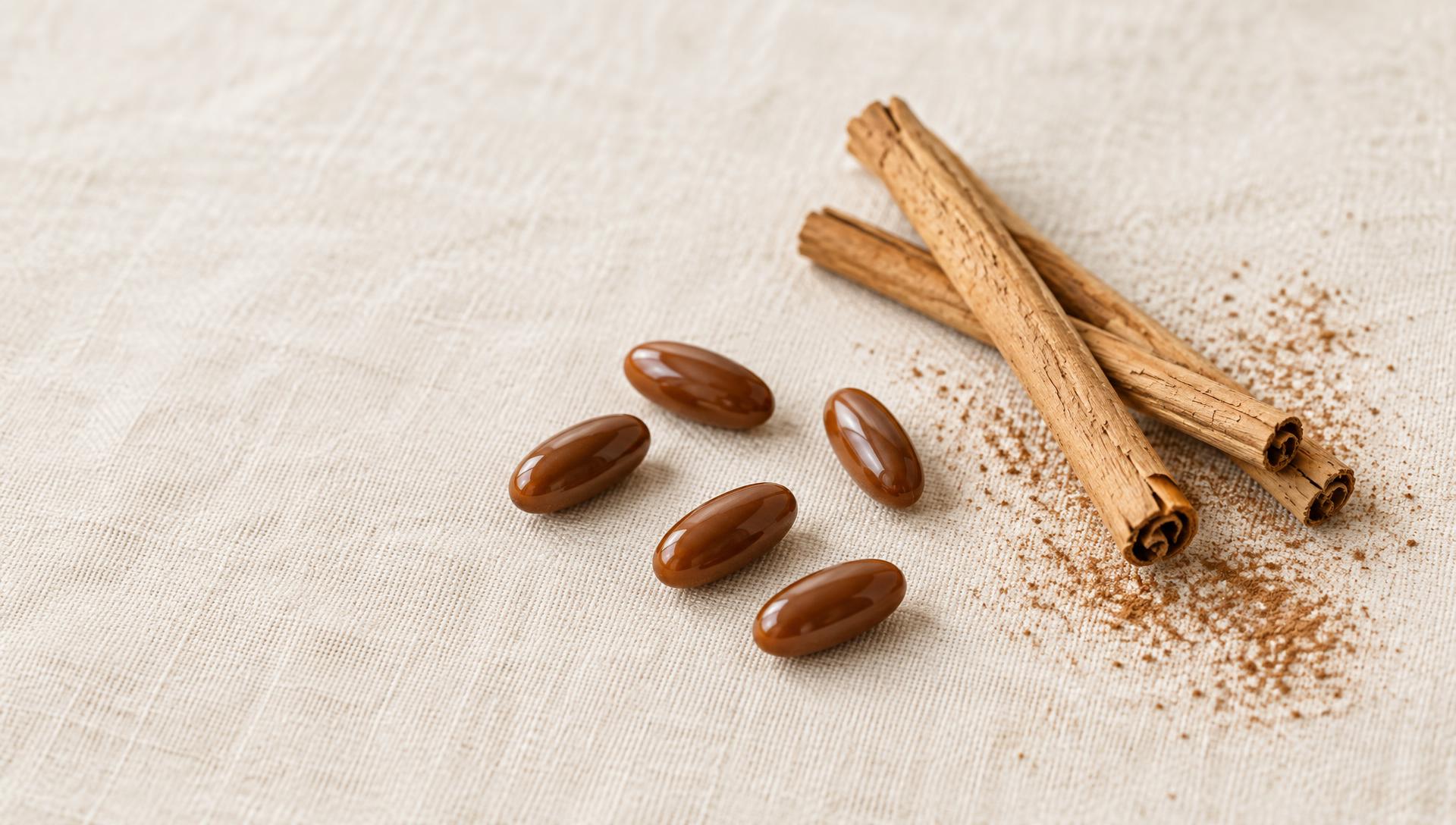
- 1Adults: 1 capsule daily with a meal and a full glass of water.
- 2Do not exceed one capsule a day, and count any other cinnamon supplements you use.
- 3Same time each day, for example with breakfast, makes it easy to remember.
- 4Store closed, in a cool, dry place, away from children.
| Package | Capsules | Days at 1/day |
|---|---|---|
| 1 bottle | 30 | 30 days |
| 2 bottles | 60 | ≈2 months |
| 4 bottles | 120 | ≈4 months |
| 6 bottles | 180 | ≈6 months |
What to expect
-
Before day 1
Talk to your doctor or pharmacist
-
Week 1
Build the habit
-
Weeks 2 to 8
Keep everything else the same
-
Weeks 8 to 12
Review with your doctor
-
Ongoing
Decide together
Cinnamon in the kitchen
Safe culinary amounts (adults)
- Ceylon: ½ to 1 tsp a day is well within limits.
- Cassia: keep regular daily use to about ½ tsp or less.
- Children: smaller amounts, Ceylon preferred.
- Don't stack: food Cassia plus a Cassia supplement adds up.
Breakfast
Ceylon cinnamon oats
Drink
Sri Lankan quill tea
Savory
Roasted carrots & cumin
Dinner
Bean chili with a quill
Safety first
Safety, interactions and who should not use it
Do not use without a doctor's OK
Possible side effects
When to see a doctor about blood sugar
- Extreme thirst, frequent urination, blurred vision
- Unexplained weight loss or constant tiredness
- Shakiness, sweating, confusion or a racing heart (possible low blood sugar)
- Slow-healing sores or frequent infections
- Yellow skin or eyes, dark urine
Fainting, severe confusion or trouble breathing: call 911.
Cinnamon and medicines: interaction checker
| Medicine type | Examples | Possible concern | Level | What to do |
|---|---|---|---|---|
| Insulin & sulfonylureas | Insulin, glipizide, glimepiride | Added glucose-lowering effect; low blood sugar | High | Only with your prescriber's approval and monitoring |
| Other glucose-lowering drugs | Metformin, GLP-1 injections, SGLT2 inhibitors | Possible additive effect | Moderate | Ask your doctor or pharmacist first |
| Liver-stressing drugs | High-dose acetaminophen, methotrexate, isoniazid, some statins | Added liver load (mainly with coumarin) | Moderate | Check with pharmacist; ask for coumarin COA |
| Blood thinners | Warfarin, apixaban, clopidogrel | Limited data; any new supplement may affect INR monitoring | Moderate | Tell your anticoagulation clinic before starting |
| Other herbs for glucose | Berberine, bitter melon, chromium, fenugreek | Stacking effects | Moderate | Avoid combining without advice |
| Most other medicines | Blood pressure, thyroid, antidepressants | No well-documented interaction | Low | Still list it on your medication record |
07 · Fair comparison
Culinary cinnamon, capsules and other approaches
| Approach | Evidence for glucose markers | Coumarin / safety | Typical cost / month | Best role |
|---|---|---|---|---|
| Ceylon powder in food | Few trials; likely small at most | Trace coumarin; very safe in food amounts | $3 to $8 | Flavor and everyday enjoyment |
| Cassia powder in food | Most trial data; small, inconsistent | High coumarin; limit daily amounts | $1 to $4 | Occasional baking |
| CinnaShield (Ceylon extract) | Not tested in its own trial; Ceylon data limited | Coumarin lab-tested; see interactions | $20 to $45 | Measured, species-verified cinnamon for those who want a capsule |
| Lifestyle changes | Strong: diet quality, activity, weight, sleep | Safe; adjust with your care team if on medicine | Varies; often low | Foundation for everyone |
| Prescribed care | Strongest: proven in large outcome trials | Monitored by your clinician | Depends on insurance | Essential when prescribed. Never replace it with a supplement. |
CinnaShield vs. other cinnamon brands
- Studied ingredient. Cinnamon has been tested in human trials; results are mixed and are summarized above, not overstated.
- Judged over months. Trials ran 4 to 16 weeks; check results with your doctor rather than expecting quick changes.
- Made for steady daily use. Low coumarin is what makes long-term daily cinnamon sensible.
- Clean ingredient list. Extract, MCT oil and a capsule; no fillers or artificial colors.
CinnaShield
- Research-informed. Evidence summarized honestly, with sources
- Independently lab tested
- DNA-verified Ceylon cinnamon
- 12:1 extract, amount stated in mg
- In MCT oil, a fat carrier for a fat-soluble extract
Quality
DNA identification, facility and testing
DNA species identification
Verified · report on request
Coumarin (HPLC)
Tested · COA on request
Heavy metals & microbes
Tested · results on request
Facility
cGMP facility · details on request
08 · Pricing in USD
Choose your package
09 · Shipping & availability
Where we ship
| Destination | Status | Carrier & time | Cost | Duties |
|---|---|---|---|---|
| United States | Shipping | Tracked standard shipping; express upgrade available at checkout | Free on 4 & 6 bottles; $19.99 on 2; express +$9.95 | None |
| Canada | — | — | NHP licensing required | |
| United Kingdom | — | — | VAT & duties paid by recipient | |
| European Union | — | — | VAT & duties paid by recipient | |
| Australia | — | — | TGA rules apply |
Refund policy
90-day money back guarantee
- 1Email support@cinnashield.com with your order number.
- 2Return bottles, opened or unopened, to the return address our support team sends you.
- 3Product price refunded to your original payment method once your return is received.
About
Who makes CinnaShield
- support@cinnashield.com
- Help with any order by email
10 · FAQ
Frequently asked questions
Most important
answer: CinnaShield does not replace any medicine. Never
stop or change a prescription without your doctor.
What is CinnaShield and what is MHCP?
Does CinnaShield replace my diabetes medicine?
Do I have to stop my medication to take it?
Is it safe with metformin, insulin or injectable GLP-1
drugs?
Does cinnamon lower blood sugar?
What is the difference between Ceylon and Cassia cinnamon?
How can I tell Ceylon from Cassia at home?
How much coumarin is in a CinnaShield capsule?
How much cinnamon is safe per day?
Are there side effects?
What's in CinnaShield and is it safe?
What does 12:1 extract mean?
Are cinnamon capsules better than powder?
When will I see results?
How do I use CinnaShield?
What if I miss a day?
Should I keep testing my blood sugar?
Can I take CinnaShield if I am pregnant or breastfeeding?
How many bottles should I order?
If I subscribe, how do I pause or cancel?
What is the CinnaShield Wellness Club and how do I cancel
the trial?
When will my order arrive?
Why isn't CinnaShield on Amazon or in drugstores?
What is the 90-day refund policy?
Try it risk-free
Ceylon cinnamon you can verify, at a pace you choose
Check with your doctor, read the coumarin result for your batch, and take one capsule a day with a meal. If it isn't for you, the 90-day money back guarantee has you covered.
11 · Sources
Sources & References
Government health information
- [1] NCCIH (NIH). Cinnamon. nccih.nih.gov/health/cinnamon
- [2] NIH Office of Dietary Supplements. Dietary Supplements: What You Need to Know. ods.od.nih.gov
- [3] LiverTox (NIH/NCBI). Cinnamon entry, in LiverTox: Clinical and Research Information on Drug-Induced Liver Injury. ncbi.nlm.nih.gov/books/NBK547852
Coumarin safety & content
- [4] EFSA. Opinion on coumarin. EFSA Journal 2004;104:1–36. doi.org/10.2903/j.efsa.2004.104
- [5] EFSA. Coumarin in flavourings and other food ingredients with flavouring properties. EFSA Journal 2008;793. doi.org/10.2903/j.efsa.2008.793
- [6] German Federal Institute for Risk Assessment (BfR). Opinions and FAQ on coumarin in cinnamon. bfr.bund.de
- [7] Regulation (EC) No 1334/2008 on flavourings, Annex III (coumarin limits). eur-lex.europa.eu/eli/reg/2008/1334/oj
- [8] Wang YH, Avula B, et al. Cassia cinnamon as a source of coumarin in cinnamon-flavored food and food supplements in the United States. J Agric Food Chem 2013;61(18):4470–6. doi.org/10.1021/jf4005862
- [9] Blahová J, Svobodová Z. Assessment of coumarin levels in ground cinnamon available in the Czech retail market. ScientificWorldJournal 2012:263851. doi.org/10.1100/2012/263851
Clinical evidence
- [10] Khan A, et al. Cinnamon improves glucose and lipids of people with type 2 diabetes. Diabetes Care 2003;26(12):3215–8. doi.org/10.2337/diacare.26.12.3215
- [11] Leach MJ, Kumar S. Cinnamon for diabetes mellitus. Cochrane Database Syst Rev 2012;(9):CD007170. doi.org/10.1002/14651858.CD007170.pub2
- [12] Davis PA, Yokoyama W. Cinnamon intake lowers fasting blood glucose: meta-analysis. J Med Food 2011;14(9):884–9. doi.org/10.1089/jmf.2010.0180
- [13] Allen RW, et al. Cinnamon use in type 2 diabetes: an updated systematic review and meta-analysis. Ann Fam Med 2013;11(5):452–9. doi.org/10.1370/afm.1517
- [14] Deyno S, et al. Efficacy and safety of cinnamon in type 2 diabetes mellitus and pre-diabetes patients: a meta-analysis and meta-regression. Diabetes Res Clin Pract 2019;156:107815. doi.org/10.1016/j.diabres.2019.107815
- [15] Romeo GR, et al. Influence of cinnamon on glycemic control in individuals with prediabetes: a randomized controlled trial. J Endocr Soc 2020;4(11):bvaa094. doi.org/10.1210/jendso/bvaa094
- [16] Anderson RA, et al. Isolation and characterization of polyphenol type-A polymers from cinnamon with insulin-like biological activity. J Agric Food Chem 2004;52(1):65–70. doi.org/10.1021/jf034723c
- [17] American Diabetes Association. Standards of Care in Diabetes—2025, Section 5 (supplements). Diabetes Care 2025;48(Suppl 1). diabetesjournals.org/care/issue/48/Supplement_1
US regulation (FDA)
- [18] FDA. Dietary Supplements. fda.gov/food/dietary-supplements
- [19] FDA. Structure/Function Claims. fda.gov · structure/function claims
- [20] FDA. Registration of Food Facilities and Other Submissions. fda.gov · facility registration
- [21] 21 CFR Part 111, cGMP for dietary supplements. ecfr.gov/current/title-21/part-111
- [22] FDA MedWatch: Safety Information and Adverse Event Reporting. fda.gov/safety/medwatch
- [23] FDA. Questions and Answers on Dietary Supplements. fda.gov · dietary supplement Q&A
US advertising (FTC)
- [24] FTC. Health Products Compliance Guidance (2022). ftc.gov · health products guidance
- [25] 16 CFR Part 255, Guides Concerning Use of Endorsements and Testimonials. ecfr.gov/current/title-16/part-255
- [26] 16 CFR Part 465, Use of Consumer Reviews and Testimonials. ecfr.gov/current/title-16/part-465
- [27] 16 CFR Part 233, Guides Against Deceptive Pricing (former-price comparisons). ecfr.gov/current/title-16/part-233
- [28] 16 CFR Part 251, Guide Concerning Use of the Word "Free". ecfr.gov/current/title-16/part-251
- [29] FTC. Restore Online Shoppers' Confidence Act (subscriptions and free trials). ftc.gov · ROSCA
Origin & international
- [30] Sri Lanka Export Development Board. Ceylon Cinnamon and its geographical indication. srilankabusiness.com
- [31] European Commission. EU Register of nutrition and health claims. ec.europa.eu · EU Register
- [32] UK ASA/CAP. The CAP Code (non-broadcast advertising). asa.org.uk · CAP Code
- [33] Health Canada. Licensed Natural Health Products Database. health-products.canada.ca/lnhpd-bdpsnh
- [34] Therapeutic Goods Administration (Australia). Complementary medicines. tga.gov.au